September 22, 2026
The modern indoor ventilation sector is undergoing a massive transformation driven by changing consumer expectations, health awareness, and technological advancements. Property owners now prioritize clean indoor environments, recognizing the direct link between mechanical ventilation quality, respiratory health, and overall well-being. Today, specialized HVAC maintenance services are evolving beyond traditional brush-and-vacuum methods to incorporate sophisticated diagnostic tools and eco-friendly practices. Industry professionals are adopting advanced technologies to identify hidden contaminants, improve airflow efficiency, and deliver verifiable results. Understanding these emerging sector developments helps residential and commercial property owners make informed decisions when maintaining internal ventilation systems for long-term health and efficiency.
Heightening Public Awareness Surrounding Indoor Air Quality
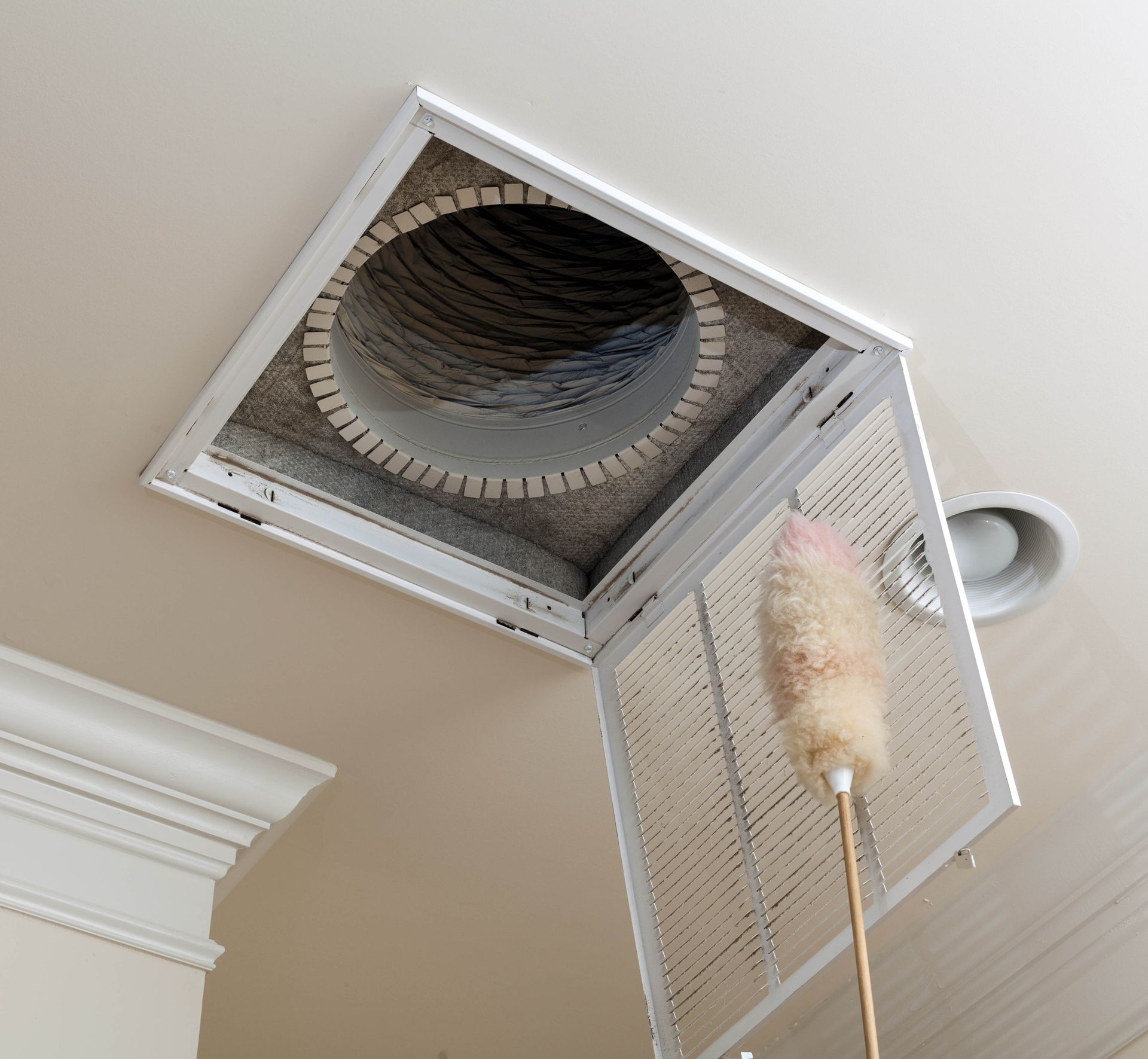
Consumers are increasingly educated about how indoor air pollutants, dust mites, pet dander, and biological contaminants impact daily respiratory health. Homeowners and facility managers now seek proactive mechanical maintenance to eliminate airborne irritants before health issues arise. Scheduling regular air duct cleaning removes accumulated particulates from internal ductwork, preventing circulated pollutants from degrading indoor living environments. Modern building occupants view clean indoor air as a fundamental health requirement rather than a luxury amenity. This growing public health awareness drives continuous demand for certified ventilation specialists who utilize high-efficiency filtration tools to maintain pristine indoor air standards across residential, commercial, and institutional facilities.
Analyzing Energy Efficiency Impact Across Modern Facilities
Rising utility expenses force property managers and homeowners to optimize mechanical HVAC performance and eliminate unnecessary energy losses. According to the Environmental Protection Agency, dust and debris accumulation in ductwork can increase energy costs by 10% to 30% in poorly maintained HVAC systems. Investing in professional air duct cleaning restores unrestricted airflow, allowing heating and cooling units to operate at peak mechanical efficiency without straining internal components. Removing restrictive debris layers lowers monthly utility bills, extends equipment operational lifespans, and reduces overall carbon footprints. Facility operators increasingly view routine ductwork maintenance as an essential financial strategy to maximize energy efficiency while lowering long-term operating costs.
Deploying Inspection Robotics With Visual Diagnostic Technology
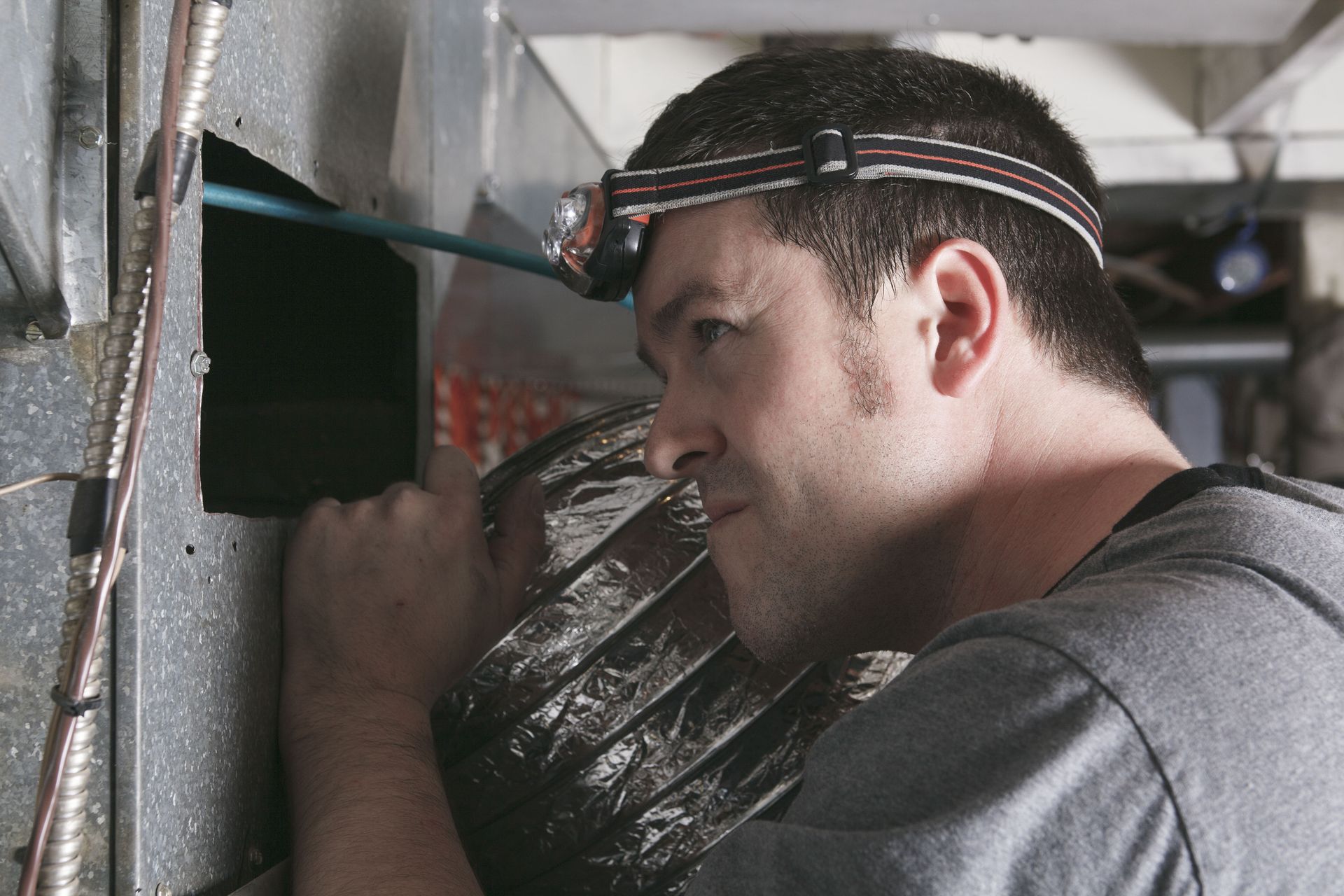
Technological innovation continues to revolutionize how ventilation technicians inspect, evaluate, and clear complex internal duct networks. High-definition robotic cameras and flexible inspection scopes allow specialists to examine hidden duct channels without removing drywall or altering physical building structures. Utilizing advanced air duct cleaning equipment enables technicians to capture clear before-and-after video footage, providing transparent visual proof of thorough contaminant removal. Robotic devices navigate tight corners and distant branches easily, identifying hidden mold growth, pest intrusions, or structural disconnections accurately. Integrating robotic technology enhances service precision, speeds up maintenance routines, and offers clients tangible evidence of improved internal system cleanliness.
Integrating Antimicrobial Treatments With Eco-Friendly Solutions
Sustainability concerns are reshaping chemical application choices across the indoor environmental hygiene sector today. Facility managers and homeowners increasingly request non-toxic, biodegradable sanitizing agents that eliminate microbial spores without off-gassing harmful volatile organic compounds into breathing zones. Professional air duct cleaning providers now pair physical debris extraction with eco-friendly botanical disinfectant fogs derived from natural essential oils. These sustainable treatments neutralize lingering bacteria, fungal spores, and stubborn odors safely without compromising indoor air quality or occupant health. Adopting green sanitizing practices reflects a broader industry commitment to environmental responsibility while delivering safe, effective microbial control inside sensitive indoor environments.
Adopting Continuous Monitoring Through Smart Sensors
Smart home technology and commercial building automation systems are shifting maintenance approaches from reactive scheduling to real-time condition monitoring. Installed air quality sensors continuously track particulate matter concentrations, humidity levels, and airflow velocity throughout internal ductwork networks. Integrating smart diagnostic tools alongside routine air duct cleaning allows technicians to identify airflow restrictions and filtration failures long before occupants notice diminished air quality. Automated alerts notify building managers when internal contaminant levels cross established safety thresholds, prompting targeted service visits precisely when required. Data-driven maintenance strategies optimize operational efficiency, prevent unnecessary service appointments, and maintain consistently healthy indoor air quality.
Addressing Regulatory Compliance Within Commercial Buildings
Commercial real estate operators face increasingly strict health regulations, workplace safety guidelines, and building code standards regarding indoor air quality. Occupational safety organizations and municipal health departments regularly inspect commercial facilities to verify proper ventilation, hygiene, and safety compliance. Executing scheduled air duct cleaning helps business owners maintain compliance with industry standards, preventing regulatory fines, legal liabilities, and workplace illness claims. Clean ventilation systems protect employee health, reduce workplace absenteeism, and support productive office environments. Commercial property managers prioritize documented ventilation maintenance as part of comprehensive facility risk management programs, ensuring building environments meet all local and national health standards.
Expanding Professional Certification Through Industry Standards
As demand for specialized ventilation hygiene expands, industry organizations are raising professional standards through rigorous technician training and certification programs. Leading trade associations establish strict operational guidelines, safety protocols, and technical standards that certified service providers must follow. Engaging certified technicians ensures that service crews utilize proper negative pressure isolation techniques, preventing dislodged dust from contaminating adjacent living or working spaces. Standardized training programs emphasize worker safety, technical competency, and proper equipment operation. Emphasizing professional accreditation builds consumer confidence, elevates industry reputation, and ensures clients receive high-quality service executed in full compliance with established national guidelines.
Mitigating Allergic Responses Through Comprehensive Debris Removal
Seasonal allergies and respiratory sensitivities affect millions of individuals, making clean indoor environments crucial for daily personal comfort. Dust mites, pollen grains, and mold spores settle inside quiet duct channels, recirculating throughout living quarters whenever heating or cooling units activate. Performing thorough mechanical clearance removes trapped allergen reservoirs, providing immediate relief for occupants suffering from asthma or seasonal allergies. Specialized high-efficiency particulate air vacuums capture microscopic particles without releasing fine dust back into indoor breathing zones. Eliminating allergen sources improves overall respiratory health, promotes restful sleep, and turns home interiors into safe, comfortable sanctuaries for sensitive family members.
Preserving HVAC Equipment With Preventative Maintenance Routines
Accumulated dust inside ductwork does not remain isolated; it continuously migrates toward critical heating and cooling components. Heavy debris coats blower wheels, clogs evaporator coils, and restricts air filters, forcing mechanical systems to overwork and overheat. Routine ventilation clearing protects delicate mechanical components from premature wear, reducing unexpected breakdown risks during peak heating or cooling seasons. Preventing internal dust build-up maintains proper thermal transfer across cooling coils, preserving system performance. Investing in preventative duct care safeguards expensive mechanical equipment investments, lowers emergency repair expenses, and extends total operational longevity, providing long-term financial savings for property owners.
Customizing Maintenance Solutions With Flexible Service Plans
Every residential building and commercial facility features distinct architectural layouts, occupancy levels, and environmental conditions that require tailored care strategies. Service providers now offer customizable maintenance plans designed to match specific property sizes, system complexities, and operational budgets. Facilities located near high-construction zones or agricultural areas may require more frequent inspections compared to quiet suburban residences. Personalized service contracts outline precise maintenance schedules, filtration replacement intervals, and deep-cleansing protocols tailored to unique property needs. Offering tailored service packages allows property managers to maintain optimal ventilation hygiene while keeping operational costs manageable and predictable over extended periods.
The air duct cleaning industry is entering a dynamic growth phase driven by heightened public health awareness, strict regulatory standards, and cutting-edge technological advancements. Modern consumers recognize that maintaining clean internal ductwork is vital for optimizing indoor air quality, lowering energy expenses, and protecting expensive HVAC equipment from premature mechanical failure. Incorporating robotic inspection tools, eco-friendly sanitizing solutions, smart monitoring sensors, and standardized professional certifications continues to elevate service quality across residential and commercial sectors. Investing in routine ventilation care eliminates trapped allergens, improves system efficiency, and creates safe indoor environments, confirming that professional duct maintenance remains an essential component of modern building management.
Are you seeking a reliable air duct cleaning company in Eastern Iowa? The air duct experts at Power Vac LLC have you covered! Whether you need air duct cleaning, dryer vent cleaning, or gutter assistance, contact us today for your next service appointment.